Dev Diary #2 – The Present: The Second Half Begins

Watch Dev Diary #2

If you’d like to see the experiments, failures, breakthroughs, and the first in-game results for yourself, watch the full Dev Diary below.
I Got 3 Months to Convince PlayStation to Fund My Indie Game

If you enjoyed the episode, consider subscribing to the channel and sharing it with someone interested in indie game development or Unreal Engine.

And if you want to support Off The Grid: Bad Dream directly, you can wishlist the game on the PlayStation Store.

Every wishlist, share, and person who follows the project helps me keep building.

Thank you for being here.


August 18, 2026

Three months.

That’s roughly how much time I have before the second PlayStation MENA Hero Project submission deadline.

And after spending the previous three months building the adventure half of Off The Grid: Bad Dream, I’ve now reached the other side of the prototype.

The action and combat half.

And honestly…

it’s a little terrifying.

The Adventure Half Is Done. Now What?

If you’ve been following the project, you know that the first half of the prototype focused heavily on the adventure side of the game.

Exploration.

Dialogue.

Driving.

Traffic.

World building.

And a lot of systems that, when I look back at where I started, I honestly wasn’t sure I could build by myself.

But I did.

Along the way, Off The Grid: Bad Dream became a playable prototype, I became a PlayStation Partner, and the game eventually made its way onto the PlayStation Store, where players can now wishlist it.

That was a huge milestone for me.

But finishing the adventure half didn’t mean I was finished.

It meant I had reached the halfway point.

Now I have to build the other half.

And this one is packed with systems.

The Second Half Is… A Lot

The action side of Off The Grid: Bad Dream needs enemies, weapons, flintlock pistols, shooting, melee combat, physical interactions, and a completely different layer of animation and gameplay systems.

And then there’s the crystal.

The crystal is one of the game’s central mechanics. It allows the player to interact with the energy inside enemies.

You can purify that energy, potentially turning enemies into something friendly.

Or you can consume it to gain more power…

at the cost of becoming increasingly corrupted.

So, yeah.

There’s a lot to build.

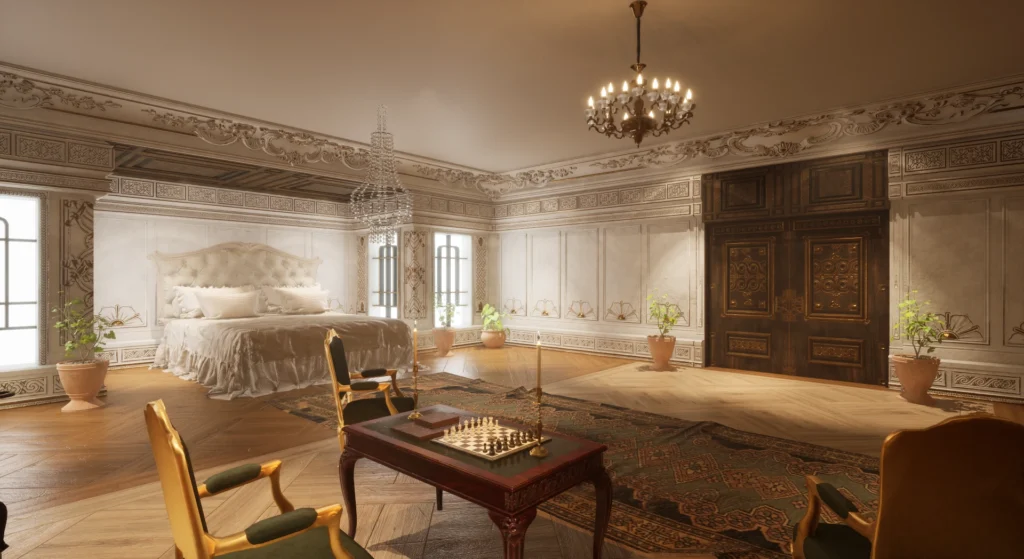
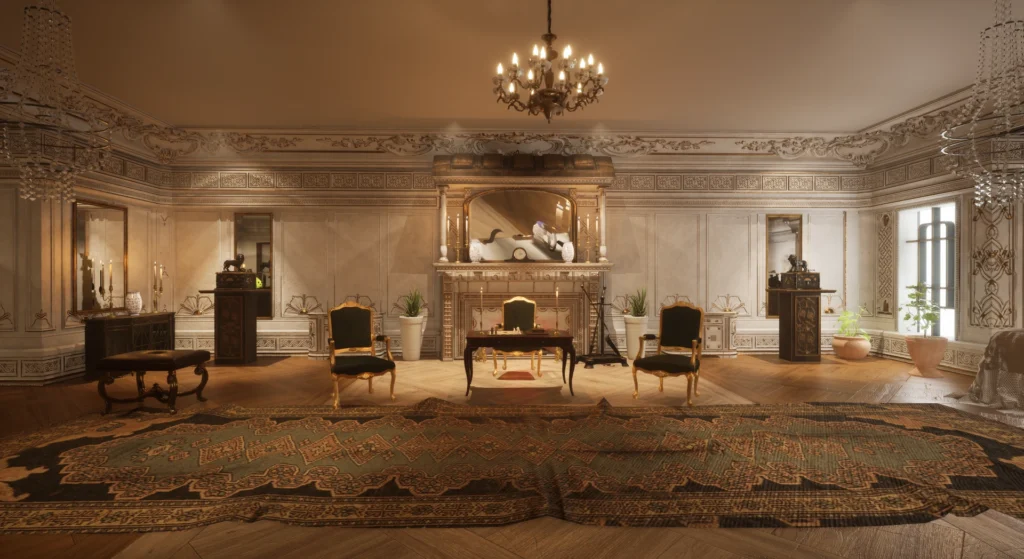
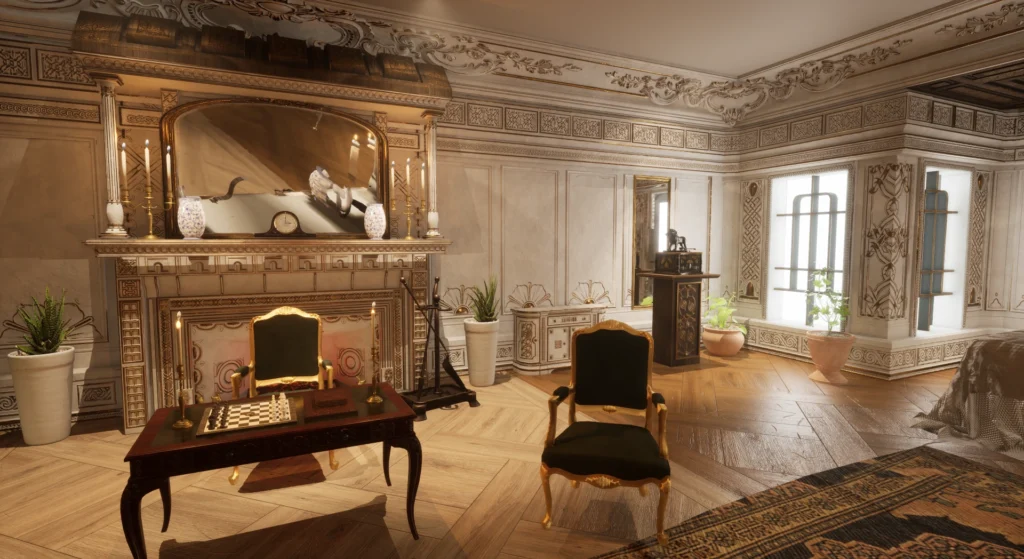
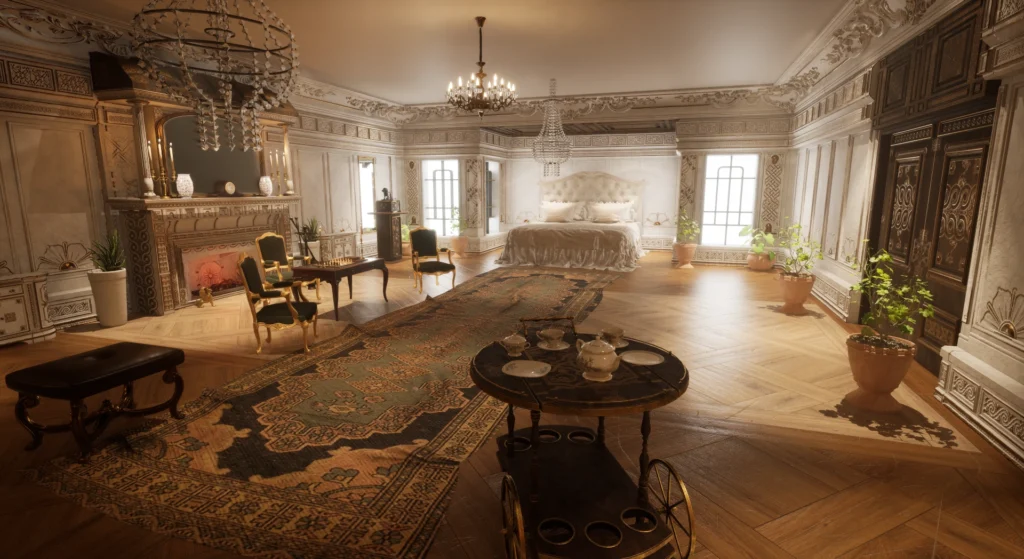
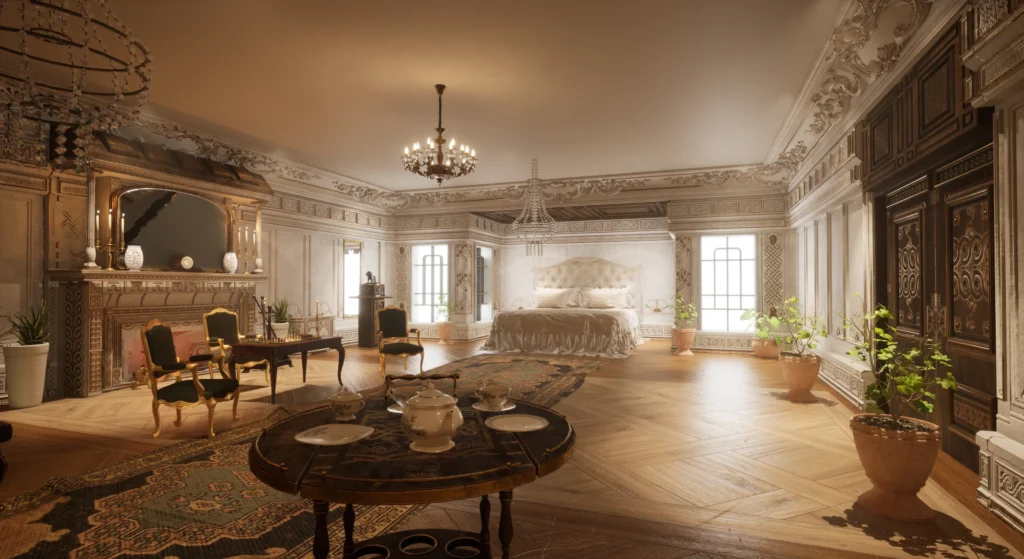
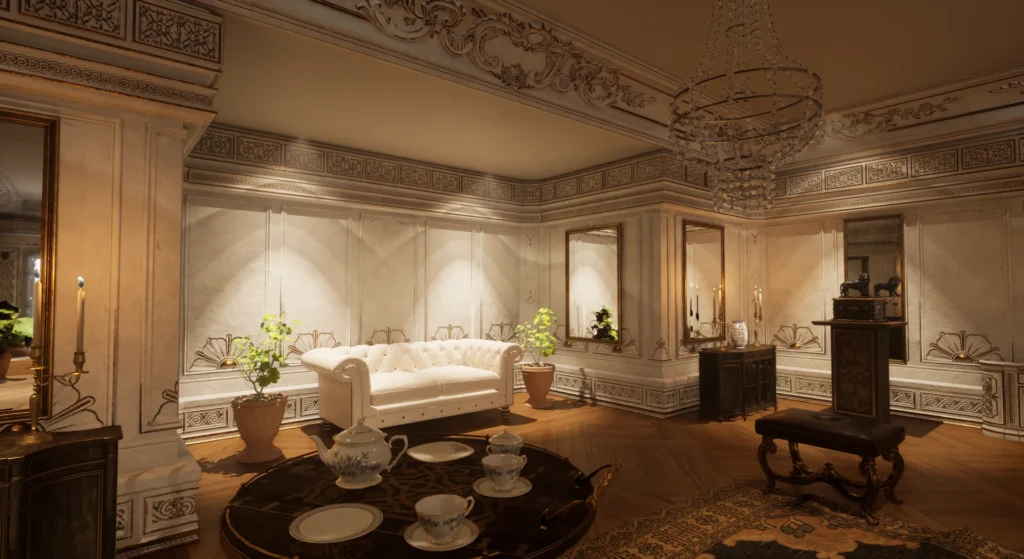
And I still have to build the environments themselves, including the detailed Neoclassical and Baroque architecture that defines the world.

Looking at everything together, I had one very reasonable question:

How in the heavens am I going to build all of this by myself?

Then I remembered:

I’ve done this once already.

So I have to believe I can do it again.

And that’s where this new chapter begins.


An Old Flintlock System

Before starting completely from scratch, I remembered that one of the volunteers who had worked with me previously had created a very early version of a flintlock shooting system.

It wasn’t anywhere near the finished system I eventually need, but it was worth investigating.

There was just one problem.

The project had been created in Unreal Engine 5.6.

My current project is running on Unreal Engine 5.8.

Opening the project immediately gave me a collection of errors.

Fortunately, the source files only needed a few adjustments to get everything working in 5.8.

Once I fixed those, I could finally open the project and test the system.

But I didn’t want to simply copy it into my game.

I needed to understand it first.

Was it scalable?

Could I integrate it with the other systems I needed?

Could I build on top of it?

Or would I spend more time fighting the old system than I would spend rebuilding it myself?

While investigating, I noticed that the system depended on Unreal’s older animation framework.

And that reminded me of something I’d deliberately avoided during the first half of development.

GASP.


Going Back to GASP

GASP — the Game Animation Sample Project — had been on my radar for a while.

When I was building the first half of the prototype, however, it was still relatively new to me.

And honestly?

It looked intimidating.

There was motion matching, new animation concepts, unfamiliar systems, and a lot to learn.

At that point, I couldn’t afford to spend weeks experimenting with an animation framework I barely understood.

I needed to finish the adventure prototype.

But now I’m in a different position.

GASP 5.8 is much more mature, and after going back and researching it properly, I realized how much functionality it already provides.

Motion matching.

Bare-hand combat.

Tackling.

Ragdoll physics.

NPC look-at behavior.

And much more.

Suddenly, this didn’t look like something I should avoid.

It looked like something I should investigate seriously.


Then I Found GASPALS

While researching GASP, I discovered another project called GASPALS.

The name itself made me laugh.

GASP + ALS.

GASPALS.

But the project is actually pretty interesting.

It combines GASP with the Advanced Locomotion System and includes functionality for first-person and third-person movement, weapons, shooting, and other systems that could potentially save me a significant amount of development time.

There was, however, a big question mark.

GASPALS comes as a plugin.

And when I’m choosing the foundation for a major part of my game, I need to know how much control I actually have.

Can I modify it?

Can I scale it?

Can I build my own systems on top of it?

Or am I eventually going to hit a wall because the system wasn’t designed to be changed in the way I need?

There was another consideration too.

GASP 5.8 is the final release of GASP, while Unreal Engine 6 is moving toward the Unreal Animation Framework (UAF).

So suddenly I was looking at several possible paths.

GASP 5.8.

GASPALS.

Different GASPALS versions.

And eventually UAF.

Rather than guessing which one would be best, I decided to test them myself.


Starting With Vanilla GASP 5.8

I started with the original GASP 5.8 project.

My first goal was simple:

Get it working inside my own project.

That turned out to require a little more work than I expected.

Through trial and error, I figured out how to bring the relevant GASP content into my project, configure the required plugins and settings, and transfer the necessary physics, collision, and pose-search configuration.

One of those steps produced a particularly entertaining result when I initially missed the correct settings.

My character started stretching in ways that no human body should ever stretch.
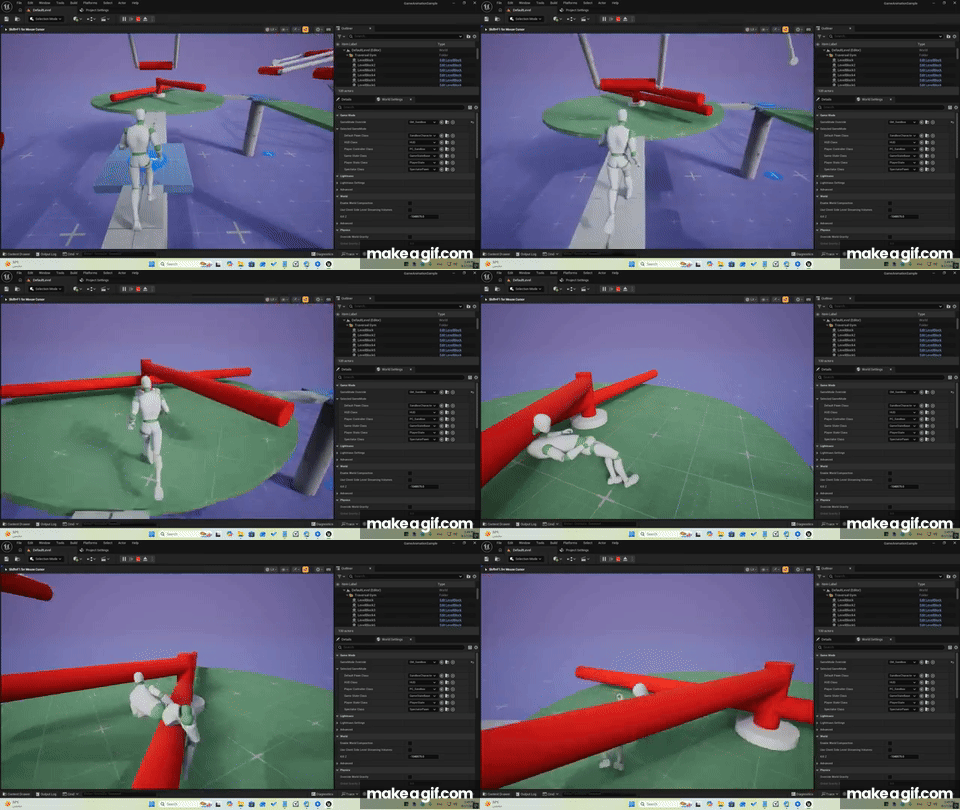
Not exactly the motion-matching demonstration I was hoping for.

But after fixing the configuration, everything started behaving properly.

GASP was finally running inside my project.

Now I wanted my own character.


Getting My MetaHuman Into GASP

I wanted to use my MetaHuman protagonist inside the GASP sandbox.

After figuring out how to add my character to the visual override system, I clicked on it.

It appeared.

Except…

it was in a T-pose.

No animation.
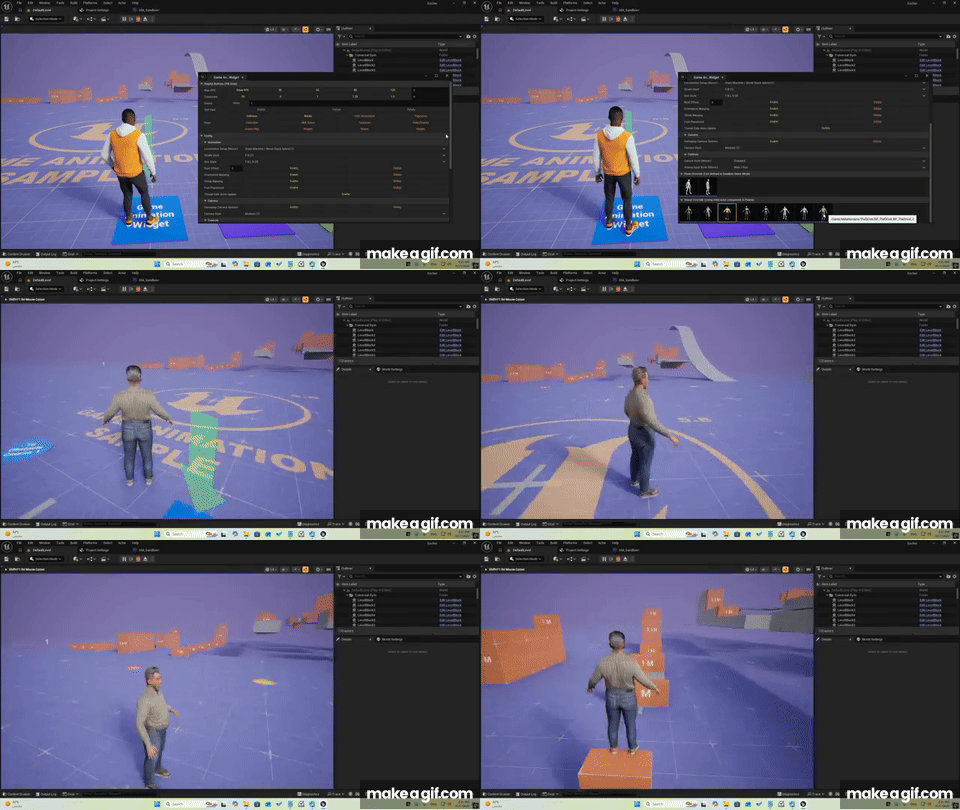
So the next question became:

How do I make my MetaHuman actually work with the GASP character system?

I found several approaches online.

Some involved duplicating existing GASP characters and replacing their components.

Others involved more complicated animation and rig-retargeting workflows.

I kept digging until I found a much cleaner solution.

By changing the appropriate animation setup, applying the correct retargeting tag, and adjusting the relevant tick groups, I was able to get my MetaHuman working with the GASP animation system.

And it worked.

That was a great little breakthrough.

But I still had another problem.

I didn’t want my character to work only inside a testing widget.

I needed it to work inside my actual game.


From the Sandbox Into the Game

The GASP sandbox is great for experimentation.

But I obviously can’t ship Off The Grid: Bad Dream with a widget where I manually select my character every time I want to play.

The characters need to work automatically.

After digging through the project, I found a much simpler way to use the existing visual override system.

I could use the sandbox mover character, assign my MetaHuman as the visual override, hide the original skeletal mesh, and let the system handle the rest.

And just like that…

my MetaHuman was running inside the actual game.

No character replacement surgery.

No complicated workaround.

Just the character I wanted, running on the system I was testing.

Now I wanted to push it further.


Can GASP Actually Handle Traversal?

One thing I wanted to know was how flexible the traversal system really was.

Could the character climb whatever I put into the environment?

Not exactly.

The default traversal setup expects specific objects with dedicated traversal logic.

That’s useful, but it wasn’t quite what I wanted for my game.

So I started looking for alternatives.

I found traversal modifications for older versions of Unreal Engine — including versions for 5.5 and 5.7.

Unfortunately, they didn’t work directly with 5.8.

So instead of giving up, I downloaded the relevant components and started studying the differences between the versions.

Fortunately, some of the changes were commented in the code.

That made it possible to understand what had actually changed between versions.

I then applied the necessary modifications to the original GASP 5.8 traversal components.

It took a lot of trial and error.

But eventually…

it worked.

With a small amount of setup, my character could now traverse much more freely.

Even the default Unreal Engine white cubes.
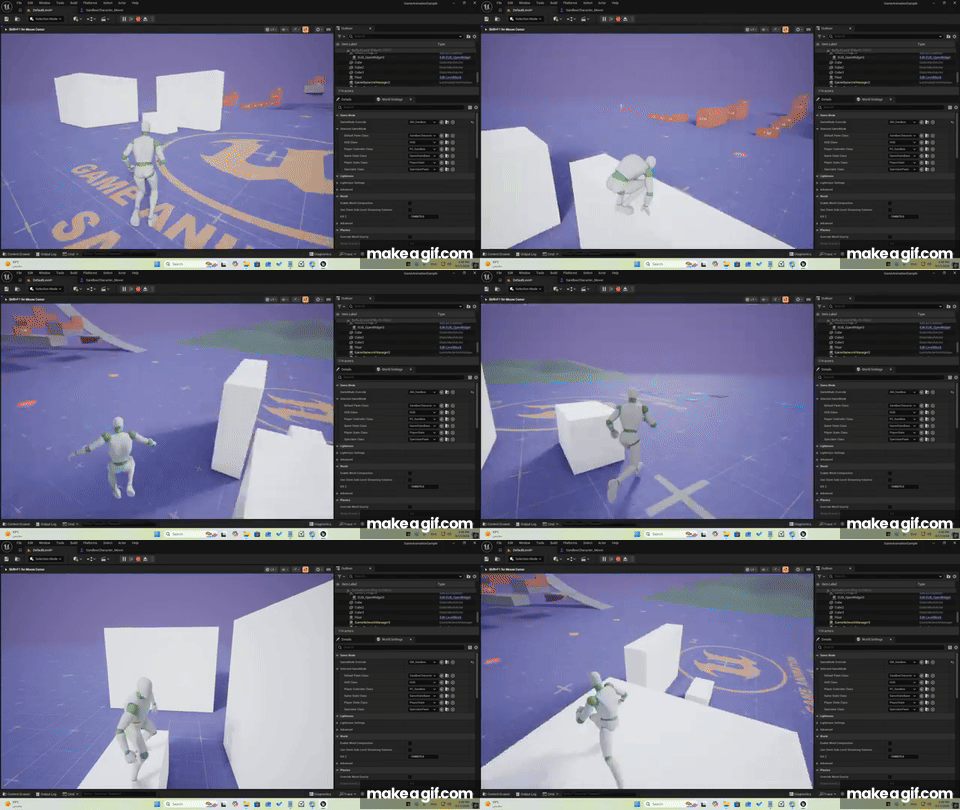
The humble white cube.

Finally fulfilling its destiny.


Teaching NPCs to Look at the Player

While exploring the GASP examples, I found another feature that immediately caught my attention.

NPCs could look toward the player while moving around them.

Even better, there was an example where an NPC could patrol while looking at the player.

That kind of behavior can make a huge difference in how alive a character feels.

The problem was that it was an isolated example.

I needed to integrate that logic into my own character and animation setup.

So I started digging through the animation blueprint and character blueprint, trying to understand how the example worked and how I could combine it with my existing system.

It wasn’t easy.

The first results were inconsistent.

The animations looked strange.

But after enough experimentation, I managed to get the behavior working for the NPC.

Then I got it working for the player.

Which meant…

the NPC and the player could now look at each other.

That was a surprisingly satisfying moment.


Making NPCs Look While Moving

Of course, once I had that working, I wanted to go one step further.

Could the NPC do it while walking?

I integrated the patrol behavior into my unified sandbox mover and ragdoll setup.

And immediately ran into another problem.

The NPC was moving…

but going nowhere.

It was basically walking on an invisible treadmill.

At first, I thought I was dealing with a root-motion issue.

I wasn’t.

After more research, I discovered that I was using the older Play Montage node.

The newer Mover-compatible Play Montage node was required.

I changed it.

And suddenly…

the NPC was moving properly.

Walking.

Running.

Looking at the player.

Now the whole thing started feeling much more natural.


The First Test Inside Project Escher

At this point, I wanted to see what all of this would actually look like inside Off The Grid: Bad Dream.

But I had to be careful.

The existing gameplay systems were built around my previous character setup.

Replacing that foundation completely could mean rewriting a lot of existing gameplay logic.

And I wasn’t ready to commit to that before testing GASPALS and the other alternatives.

So I did a quick integration.

Just enough to see the potential.

And the result was surprisingly encouraging.

The movement felt much smoother and more natural.

The characters could look at each other.

I could punch the NPC.

Tackle it.

Push it.

I could climb onto a bus.

I could climb onto a truck.

And suddenly, I could see the foundation of the action side of the game starting to take shape.

Of course, not everything worked.

For example, the NPC didn’t properly ragdoll when hit by a moving vehicle.

That’s another problem for another day.

But that’s exactly why I was doing these experiments.

I wasn’t trying to finish the combat system.

I was trying to figure out which foundation I should build it on.


What Did I Learn?

After all these experiments, my first impression of vanilla GASP 5.8 is very positive.

There is a surprising amount that can be built on top of it.

It’s not a complete combat system that I can simply drop into the game and call finished.

I’ll still need to build the actual weapon system, enemy logic, combat mechanics, crystal mechanics, and plenty of game-specific functionality myself.

But as a foundation?

It looks scalable.

And scalability is exactly what I need.

I don’t want to build something that only works for the prototype.

I want an animation and movement foundation that can continue growing with the game.


The Decision Isn’t Made Yet

Despite all that progress, I’m not ready to make the final decision.

I still need to properly investigate GASPALS.

I need to understand its plugin architecture, how much freedom I have to modify it, how easily I can integrate it into my existing project, and whether its additional functionality is worth building around.

And then there’s UAF, waiting somewhere in the future.

So right now, I’m standing at a crossroads.

GASP.

GASPALS.

Or eventually UAF.

Before I start building the rest of the action prototype, I need to make the right decision.

Because discovering halfway through development that your entire foundation needs to change…

is probably not the kind of surprise I want.


Still Here… The Journey Continues

Three years ago, I quit my job to try to build a game.

Today, I’m still here.

Still learning.

Still experimenting.

Still breaking things.

Still fixing things.

And apparently…

still making Unreal Engine characters stretch in completely unnatural ways.

But that’s part of the journey.

The second half of the prototype has officially begun.

I don’t have the finished weapon system yet.

I don’t have the complete enemy system.

I don’t have the final combat mechanics.

And I haven’t even decided which animation foundation I’m going to build everything on.

But for the first time…

I can see the pieces starting to come together.

And that’s enough to keep going.

The journey continues.

Mohamed Fawzy
Rare Castle
We Make Healing Games
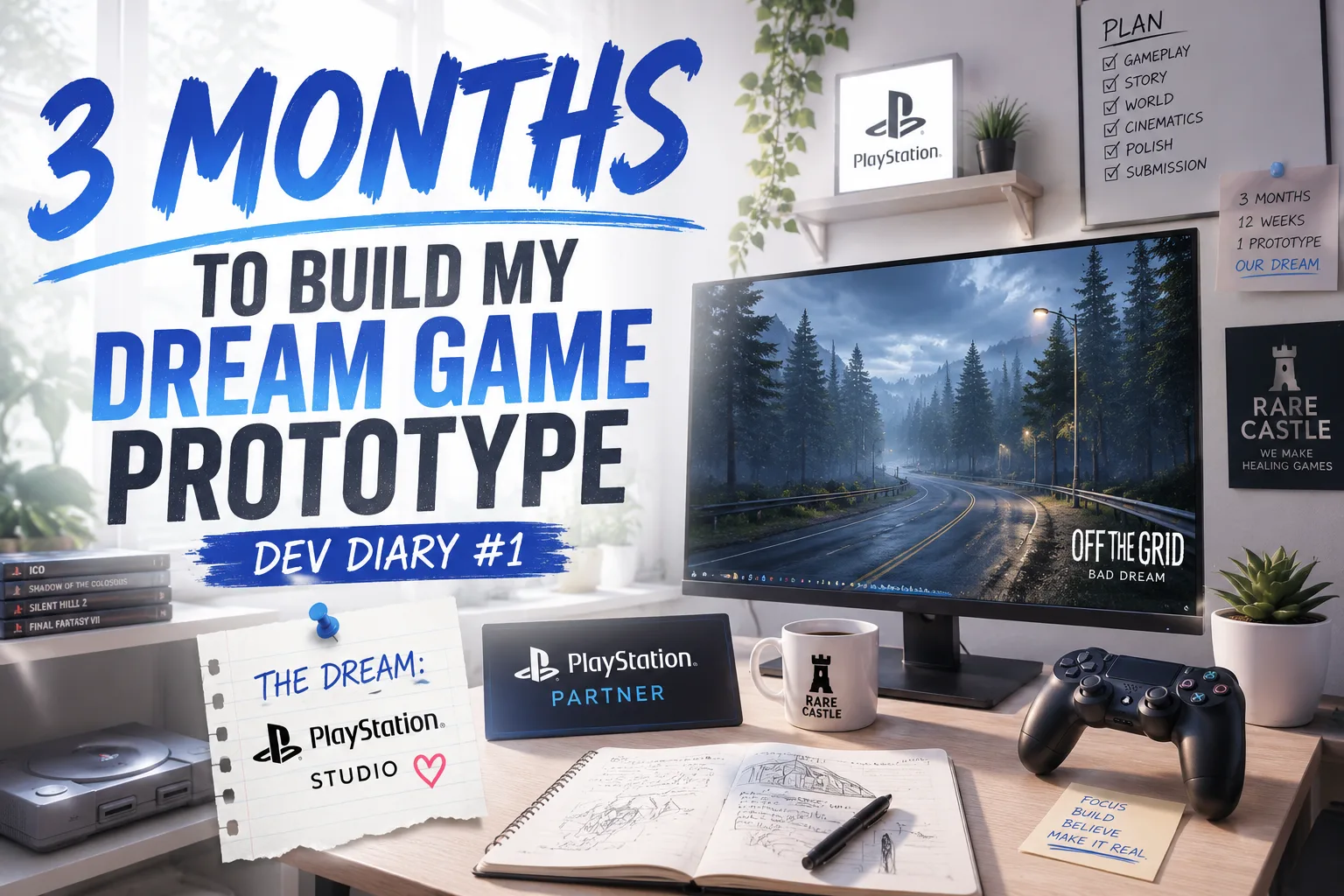
🎬 Dev Diary #1 — The Road That Started Everything

3 Months to Build My Dream Game Prototype for PlayStation | Dev Diary #1

Three months. Twelve weeks. One impossible deadline.

After seven months of development, we still had zero minutes of gameplay.

This is the story of what happened next.

October 27th, 2025

Exactly three months before the PlayStation MENA Hero Project submission deadline, I realized that the way we had been developing the prototype wasn’t getting us where we needed to go.

We had built gameplay systems, tools, and technology—but they hadn’t yet come together into a cohesive playable experience.

The team was exhausted after months of volunteer work, and I knew we needed a completely different approach.

Then I came up with an idea I jokingly called:

The Minute-by-Minute Game Jam

Instead of spending weeks building systems for some distant future, I would treat every one or two minutes of gameplay as its own mini game jam.

Every week would have one mission:

Build something playable.

Twelve weeks.

One or two playable minutes every week.

That became the plan.

Week One — Build the Road

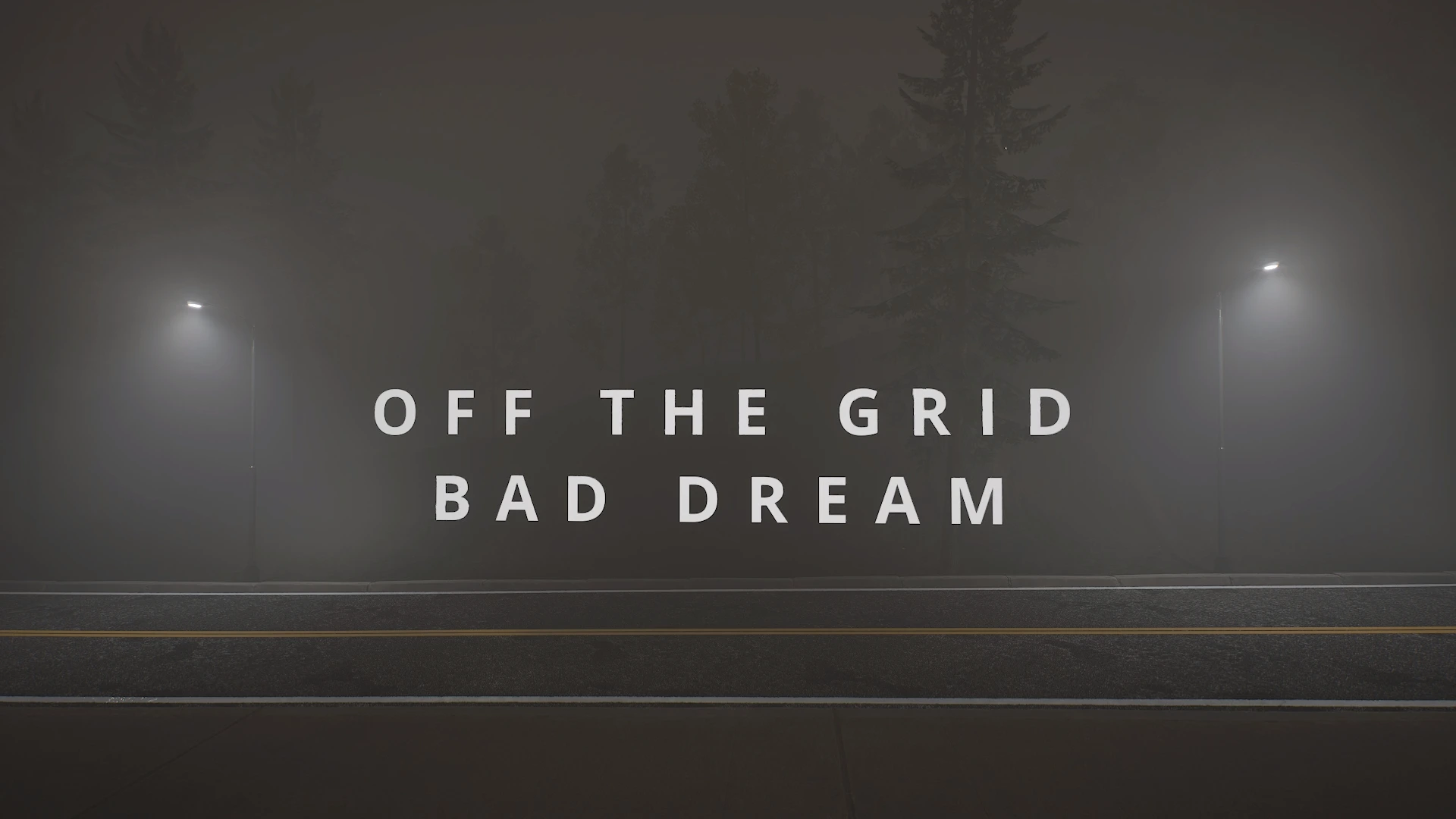
The story begins with the protagonist leaving the job he hates and walking alone along a lonely highway through a foggy forest at night.

So the first goal was simple:

Build the environment where the journey begins.

I started searching through FAB for forest and highway environments that could give me the foundation I needed.

For almost two days, it felt like I wasn’t making any progress at all.

Downloading packs.

Opening projects.

Closing them.

Trying another one.

Eventually, I found a forest environment that had almost everything I needed.

Then the real work began.

I widened the highway, reshaped the landscape, adjusted the sidewalks, changed the lighting, and added the fog.

Because, of course…

Every mysterious forest deserves good fog. 😅

Then I hit a major problem.

The performance was terrible.

No matter how much I optimized or reduced the graphics settings, the frame rate remained painfully low.

I thought I had a serious optimization problem on my hands.

It turned out to be something much simpler.

A month later, I discovered that I had accidentally enabled Use Fixed Frame Rate in the project settings long before I even started developing the prototype.

One tiny checkbox.

Several weeks of confusion.

Welcome to indie game development.

But after nearly a week of work, I finally had it:

A one-kilometer highway cutting through a foggy forest at night.

For the first time, the concept art wasn’t just an idea anymore.

It was a real place I could actually walk through.

And that’s when I knew…

The method was working.

I wasn’t just building systems anymore.

I was building a game.

Week Two

With the first milestone completed, I started planning the next one:

  • The Thinking System
  • Dialogue
  • Three MetaHuman characters
  • Voice acting
  • Screenwriting
  • Environmental audio

The prototype was finally starting to come together.

But the goal was always bigger than simply finishing a prototype.

I wanted Rare Castle to become a PlayStation studio.

And the crazy part?

I had already become a PlayStation Partner, and the project already had a PlayStation Store Concept Page.

But getting there…

was only the beginning.

Now I had to prove I could actually build the game.

And I had only three months.


🎬 Watch Dev Diary #1

This is the first chapter of the Dev Diary, my flagship development series documenting the real journey behind building the prototype—from the setbacks and difficult decisions to the milestones and breakthroughs.

Three months. One prototype. One dream.

And this is where the journey begins.


💙 Support the Project

If you’d like to follow the development and support the project, you can wishlist the game on the PlayStation Store.

Wishlist on PlayStation Store

Every wishlist helps more people discover the project and supports the journey toward bringing the game to life.

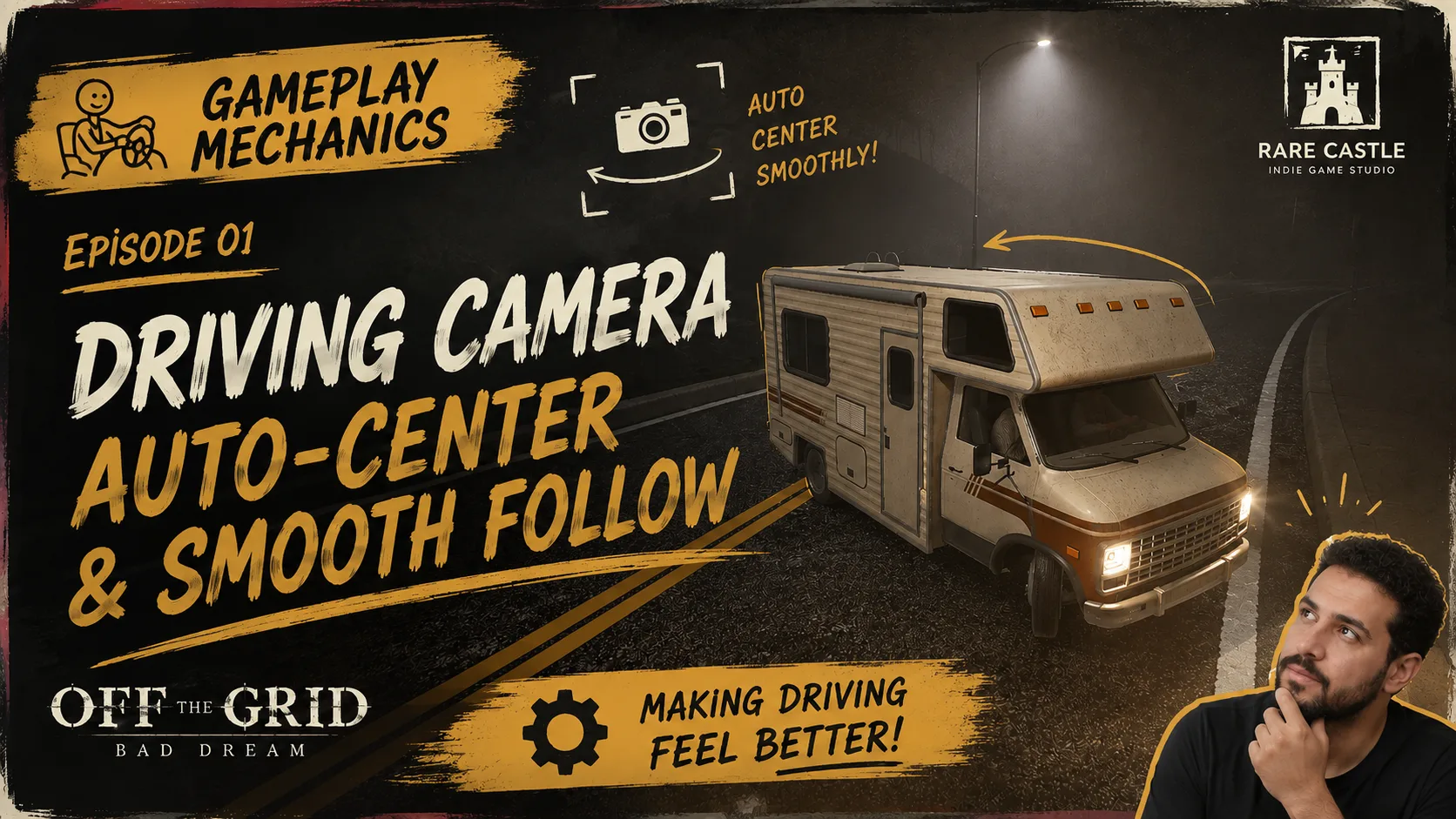
🎮 Gameplay Mechanics #1 — Making Driving Feel Better

GTA 6-STYLE DRIVING CAMERA IN UE5

Sometimes, it’s the smallest gameplay details that make the biggest difference.

While developing the driving, traffic, and vehicle systems, I noticed something that didn’t feel quite right—especially when testing with a controller.

Whenever I turned the vehicle, the camera would stay wherever I had left it.

So instead of enjoying the drive…

I was constantly fighting the right stick just to get the camera back to where it should be. 😅

I started thinking about how other driving games handle their cameras and realized what I wanted:

The camera should smoothly return to its original position behind the vehicle while driving.

After some research, experimentation, and a little help from ChatGPT, I found an approach that could make it work.

It didn’t work on the first attempt.

Or the second.

But after a few tweaks…

It finally clicked.

Now the camera smoothly adjusts itself to the vehicle’s rotation, allowing me to focus on driving instead of constantly correcting the camera.

It’s a small feature.

But these small details are what make gameplay feel more natural and polished.

This was one of many improvements I made during the intense three-month prototype sprint, and there’s still much more to build.


🎬 Watch Gameplay Mechanics #1

In this episode, I show the problem, the development process, and the final result of the driving camera system.

Gameplay Mechanics is a development series where I share the gameplay systems and mechanics I’m building along the way.

One mechanic at a time. 🎮


💙 Support the Project

If you’d like to follow the development and support the project, you can wishlist the game on the PlayStation Store.

Wishlist on PlayStation Store

Every wishlist helps more people discover the project and supports the journey toward bringing the game to life.

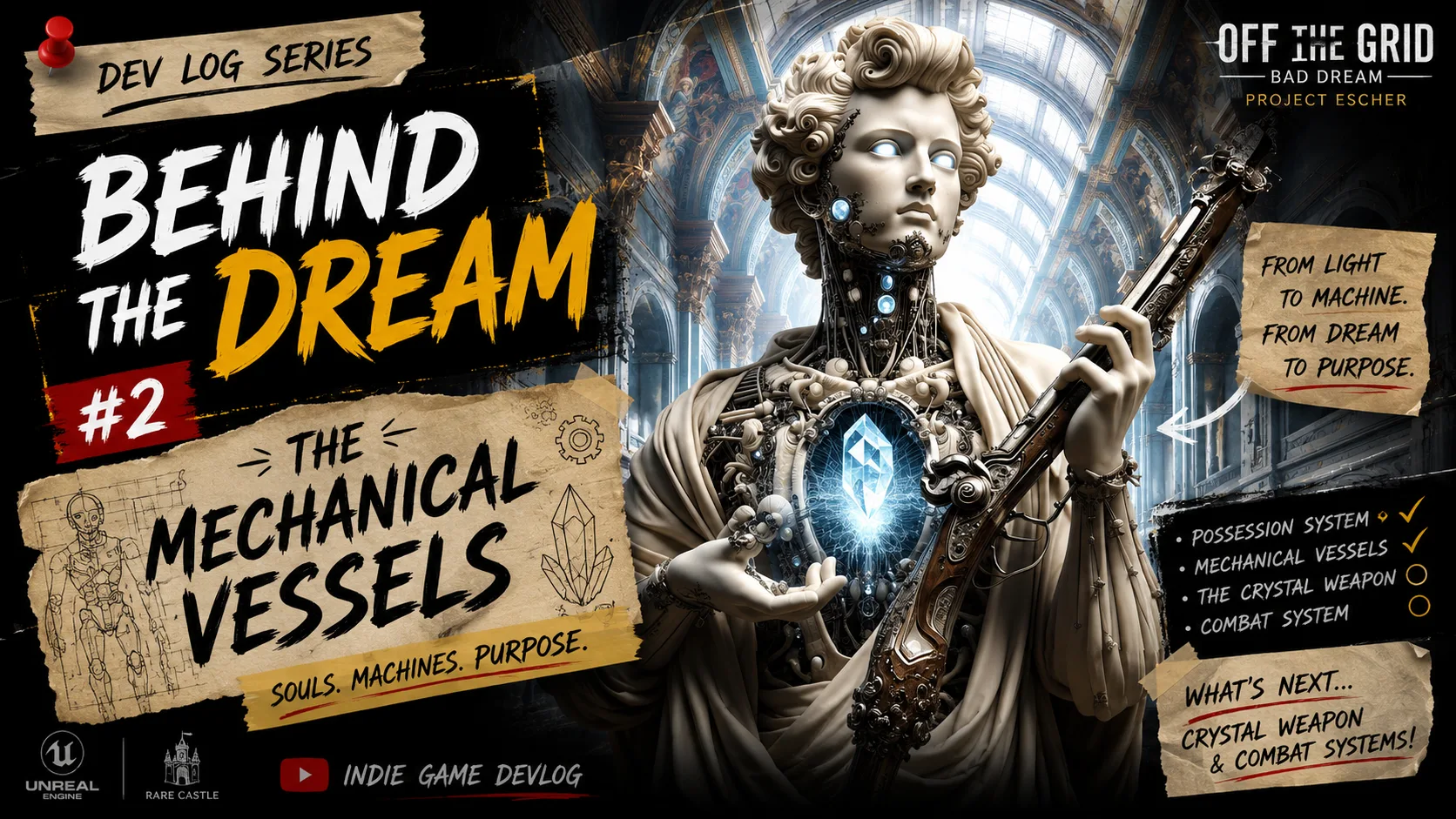
⚙️ Behind the Dream #2 — The Mechanical Vessels

Off the Grid: Bad Dream (Project Escher) - Behind the Dream #2 🎭 - mechanical vessels

What happens when a soul has no body?

That question became one of the ideas behind the dream world of the game.

In this world, mysterious light entities exist beyond normal space and time. But if these entities are made of light, how can they interact with the physical world?

They need a vessel.

The Inspiration

One of the ideas that inspired this concept came from Beyond: Two Souls and its character Aiden.

I was fascinated by the idea of an entity that could move through the environment, interact with objects, and even possess people.

I wanted to take that concept in a completely different direction.

Instead of possessing human beings, the light entities in this world can inhabit mechanical vessels.

The Mechanical Vessels

I imagined these strange mechanical bodies scattered throughout the dream world, waiting to be inhabited by lost souls.

The connection between the entity and its vessel is a mysterious crystal.

The crystal acts as a gateway, allowing the light entity to take control of the mechanical body.

But I didn’t want the crystal to exist only as part of the story.

Eventually, it becomes something much more important to the player.

A weapon.

A tool.

And potentially a way to interact with, protect, or even heal other entities.

From Concept to Prototype

This idea has already moved beyond concept art.

The mechanical vessel and light-entity possession system have been implemented in the prototype.

The next step is developing the crystal mechanic itself, followed by the larger weapon and shooting systems.

There’s still a lot to build, but this is one of those moments where an idea that once existed only in my imagination starts becoming something you can actually play.

A soul made of light.

A body made of machinery.

And a crystal connecting the two.


🎬 Watch Behind the Dream #2

In this episode, I explore the inspiration and design behind the mechanical vessels and the light-entity possession system.

Behind the Dream is a development series exploring the ideas, inspirations, and design concepts behind the game.


💙 Support the Project

If you’d like to follow the development and support the project, you can wishlist the game on the PlayStation Store.

Wishlist on PlayStation Store

Every wishlist helps more people discover the project and brings the dream one step closer to reality.

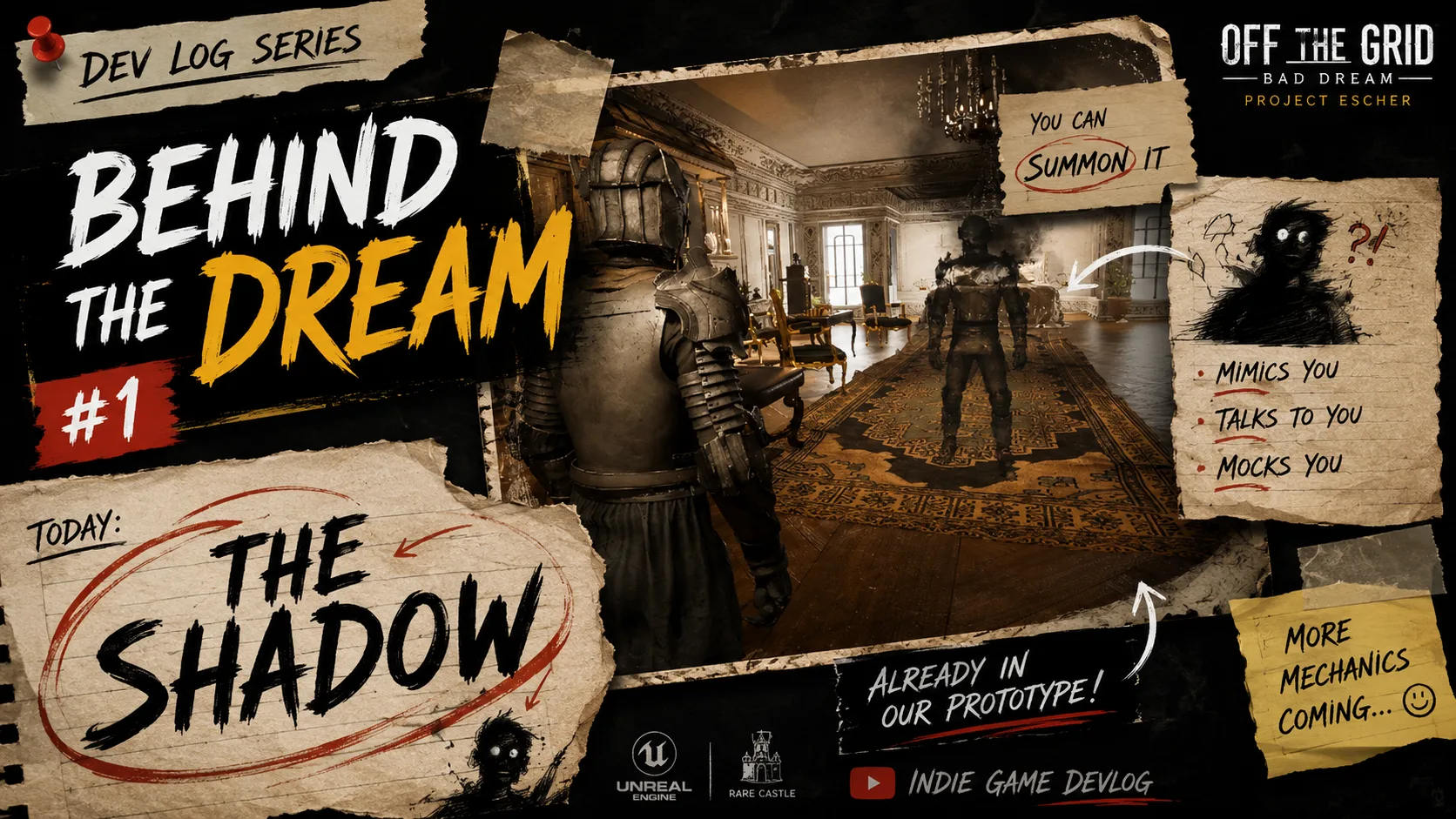
🎭 Behind the Dream #1 — The Shadow

Off the Grid: Bad Dream (Project Escher) - Behind the Dream 🎭

Some game characters start with a detailed design document.

Others start with a strange idea that refuses to leave your head.

For this game, one of those ideas became The Shadow.

The Shadow represents the darker, repressed parts of the protagonist—the thoughts, fears, and emotions he would rather ignore.

But I didn’t want to make it a typical evil shadow character.

I wanted something more unpredictable.

Something that could mock you, challenge you, manipulate you… and occasionally even help you.

The Inspiration

One of the inspirations came from the classic Prince of Persia, particularly the iconic moment where the protagonist encounters his own shadow.

Another major inspiration was The Stanley Parable and its narrator.

I loved the idea of having a character that constantly observes what the player is doing and comments on their choices.

So I started imagining the Shadow as something between an inner critic and a sarcastic trickster.

It doesn’t simply want to defeat the player.

It wants to get inside their head.

The Shadow and Healing

There’s also a deeper reason for the Shadow’s existence.

The game explores the idea of healing—and one of its themes is learning how to deal with negative thoughts and emotions.

Instead of constantly fighting your darker thoughts, what if you learned to understand them?

What if your Shadow could become something you work with rather than something you try to destroy?

That’s the role I want the Shadow to play throughout the story.

From Concept to Gameplay

The Shadow isn’t just a story concept anymore.

The first version of the Shadow System has already been implemented.

The player can summon the Shadow, watch it mimic their movements, and interact with it through dialogue.

There are still many mechanics I’d like to explore as the story develops, but this is where the idea starts becoming a real part of the game.

A character born from the protagonist’s darkness…

but perhaps not as evil as he first appears. 🎭


🎬 Watch Behind the Dream #1

In this episode, I talk about the inspirations, story purpose, and gameplay concept behind the Shadow.

Behind the Dream is a development series exploring the ideas, inspirations, and design concepts behind the game.


💙 Support the Project

If you’d like to follow the development and support the project, you can wishlist the game on the PlayStation Store.

Wishlist on PlayStation Store

Every wishlist helps more people discover the project and brings the dream one step closer to reality.

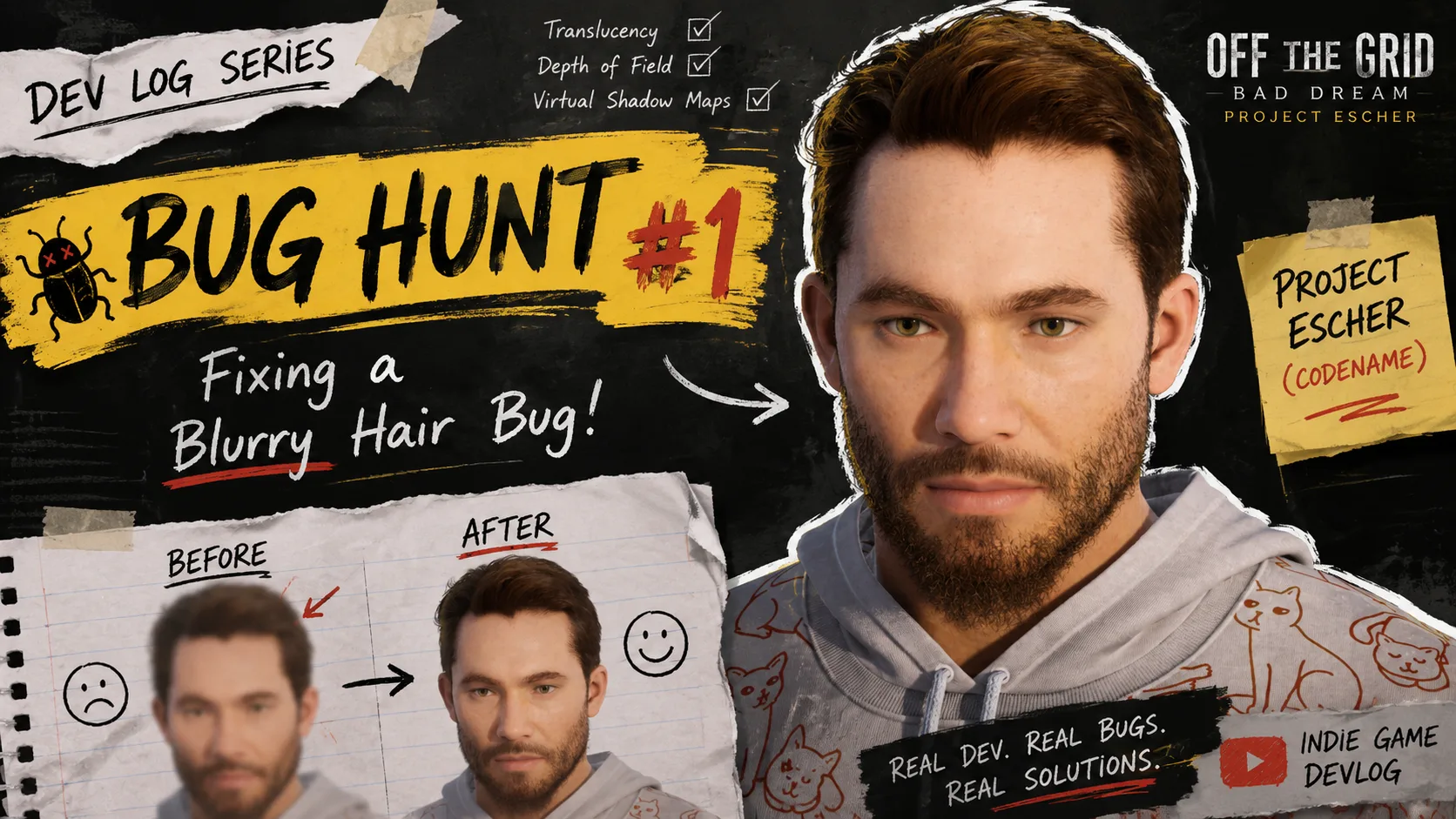
🐞 Bug Hunt #1 – The MetaHuman Hair Blur

Off the Grid: Bad Dream (Project Escher) - Bug Hunt #1 🐞

While developing the game, I encountered a strange visual bug affecting the hair of my MetaHuman characters.

The hair would become extremely blurry and appear completely out of focus during gameplay.

The Investigation

My first suspicion was translucency and Depth of Field.

After testing different settings, I discovered that switching from Virtual Shadow Maps to the older Shadow Maps method made the problem disappear.

But that wasn’t really the solution I wanted.

Virtual Shadow Maps are an important part of the project’s rendering setup, so I wanted to find a way to fix the issue without giving them up.

After some research and experimentation, I eventually found a console command that solved the problem while allowing me to keep Virtual Shadow Maps.

The Console Command:
r.HairStrands.ComposeAfterTranslucency 2

And just like that…

The hair was sharp again.

A Small Bug, A Useful Lesson

This was a relatively small issue, but it was a good reminder of how unpredictable game development can sometimes be.

A visual problem that looks like it should be related to one system can sometimes come from somewhere completely different.

And sometimes, finding the solution means a lot of testing, research, and asking the occasional AI for help. 😄

🎬 Watch Bug Hunt #1

In this episode, I document the problem, the investigation, and the final solution.

Bug Hunt is a development series where I share some of the technical problems I encounter while building the game—and how I solve them along the way.

One bug at a time. 🐞


💙 Support the Project

If you’d like to follow the development and support the project, you can wishlist the game on the PlayStation Store.

Wishlist on PlayStation Store

Project Escher Demo Is Now Playable with a Gamepad

Since our last development milestone, we have been fully focused on one major objective, bringing complete gamepad support to Off The Grid: Bad Dream (Project Escher).

This wasn’t simply about making a controller work. We redesigned and implemented gamepad support across virtually every game system, from top to bottom, carefully planning how every mechanic, interaction, and gameplay system could take advantage of a controller to deliver a smooth and intuitive experience.

As first-time game developers, this milestone has been one of the most challenging parts of the project so far. Designing controls, adapting gameplay systems, and creating an experience that feels natural on a gamepad required an enormous amount of learning. For an independent developer like myself, it meant climbing a very steep learning curve and understanding every aspect of controller design and implementation from the ground up.

The journey has been incredibly difficult, and the road has been anything but smooth. Building this demo from scratch without any funding has been a constant challenge. Since the beginning, I have carried the mission of creating a real, playable prototype without financial backing, something tangible that can demonstrate our vision and help us seek the funding needed to continue development.

Even so, I must emphasize that what you see today is only scratching the surface of Project Escher’s true potential. As a solo developer working on the game most of the time, there are natural limits to what can be accomplished without proper funding. Yet despite those limitations, I truly believe this project has the potential to become something unique.

Project Escher is more than just another indie game. It represents the beginning of what we call Healing Games, a new genre we have been quietly shaping since the very beginning of Rare Castle.

Healing Games explore the human mind through psychological mystery, meaningful storytelling, and immersive gameplay, but without relying on fear, suffering, anxiety, or pain to drive the experience. Instead of asking players to survive darkness, we want them to discover hope within it. We believe games can challenge, inspire, comfort, and heal, while still delivering unforgettable adventures.
It is an ambitious vision, and we’re only beginning to scratch the surface of what this new genre can become.

I have dedicated my life to Rare Castle and to bringing this vision into reality. Looking back at everything we’ve accomplished so far, I couldn’t be prouder of what Rare Castle has achieved.

Today, I’m excited to announce that the first half chapter of the Off The Grid: Bad Dream demo prototype is now fully playable with gamepad support.

This update goes far beyond controller compatibility.

Over the past months, I’ve worked day and night resolving countless bugs while making nearly every major gameplay system more stable, reliable, and robust. Significant improvements have been made throughout the project, especially within the Palace Room of the Pantheon Off The Grid, including:

  • The Soul and Possession system.
  • The Shadow system.
  • Object interaction and item mechanics.
  • The vehicle driving system.
  • Character dialogue and inner monologue systems.
  • Countless gameplay systems used throughout the opening section of the game.

Nearly every system in the demo has been revisited, refined, and improved.

One of the biggest technical challenges was adapting the game’s large number of controls to a controller with far fewer available buttons than a keyboard and mouse. To solve this, we designed and implemented an entirely new Quick Menu system that gives players fast access to gameplay actions while keeping the controls intuitive and comfortable.

We’ve also introduced numerous contextual gameplay hints that guide players through actions, controls, and interactions as they progress, making the overall experience much more accessible.

The extension of the PlayStation MENA Hero Project, Second Cohort development period came at exactly the right time. It gave us the opportunity to continue polishing the demo, improve the gameplay experience, expand the story, and move closer to developing what is arguably the most exciting section of the demo, where the action truly begins.

That said, continuing development without financial support remains incredibly difficult. But this is my life’s work. This is Rare Castle’s mission. I’ll do whatever it takes to bring this vision to life.

Project Escher is not simply another game.

It is our passion.

It is the beginning of a new genre.

A genre rising from the ashes of traditional indie horror, challenging expectations, telling deeply personal stories, and, we hope, leaving a lasting mark on the indie game scene, and perhaps one day, on the game industry itself.

This is only the beginning.

Project Escher — Milestone 4 Complete

The fourth milestone of our six-phase full prototype for Project Escher is now complete.

Off The Grid: Bad Dream (Project Escher) - PC - Devlog 4 - The Palace Room

This phase introduces a pivotal Chapter One moment, bringing together the Soul & Body Possession system, the reveal of the Shadow character and its mechanics, a palace escape puzzle, and new story developments that deepen the experience.

With this milestone, we have reached 66% completion of the full demo prototype.

Following our submission to the MENA Hero Project on January 31, development continues as we expand the dream world layer and refine the core systems that define Project Escher.

More soon.

— Rare Castle

Entering the Palace

A Sanctuary Outside of Space and Time

As development continues on Project Escher, the world beyond the physical realm is beginning to take shape.

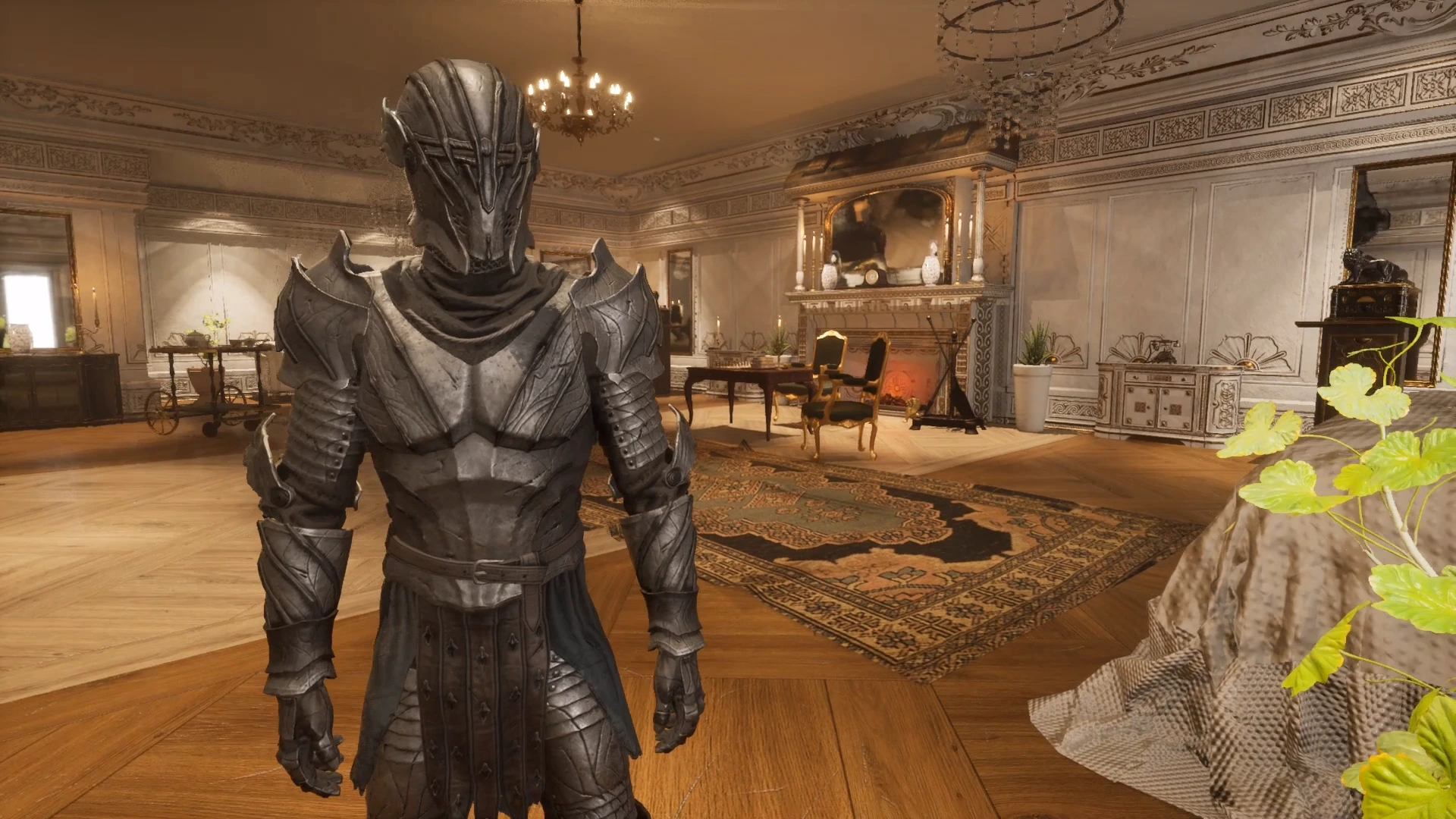
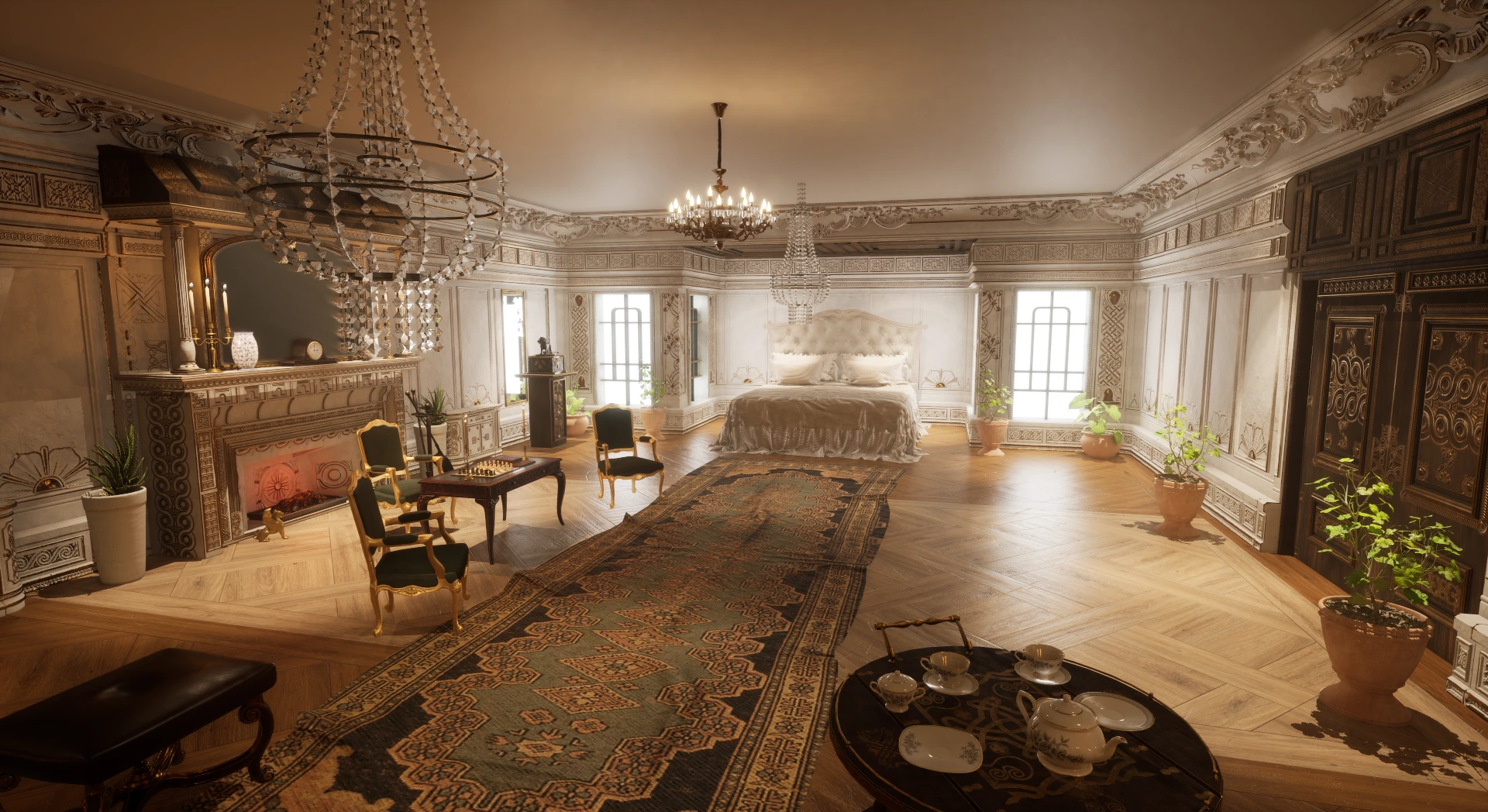
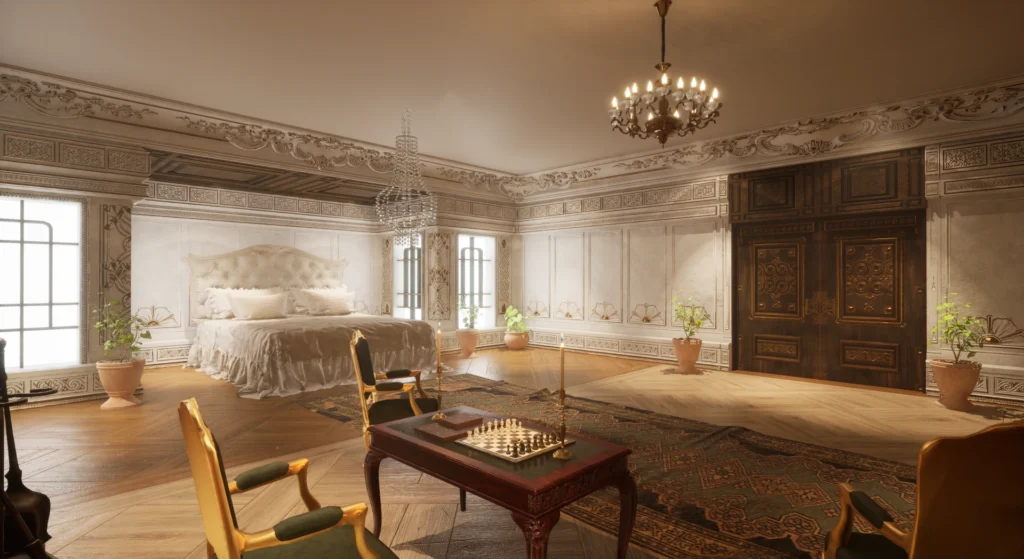
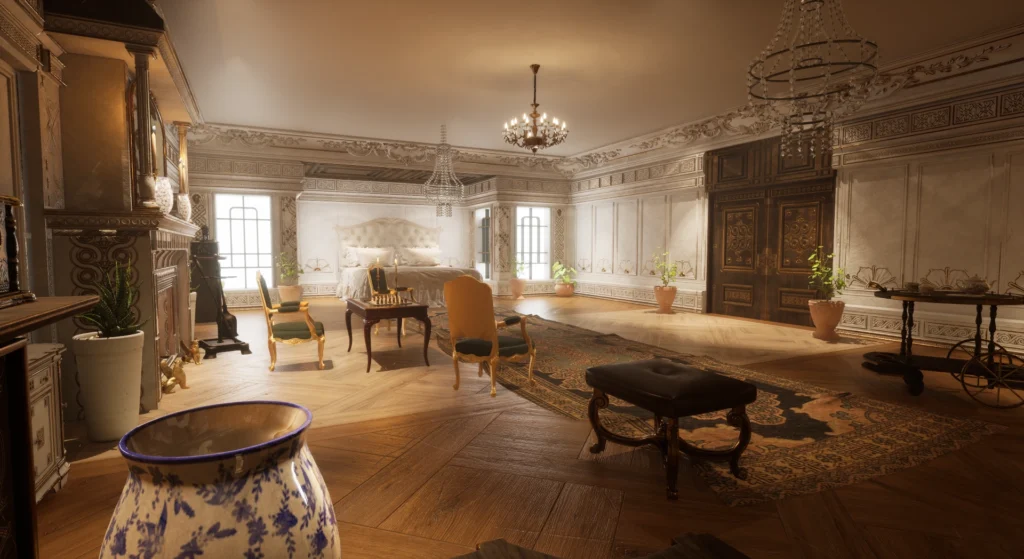
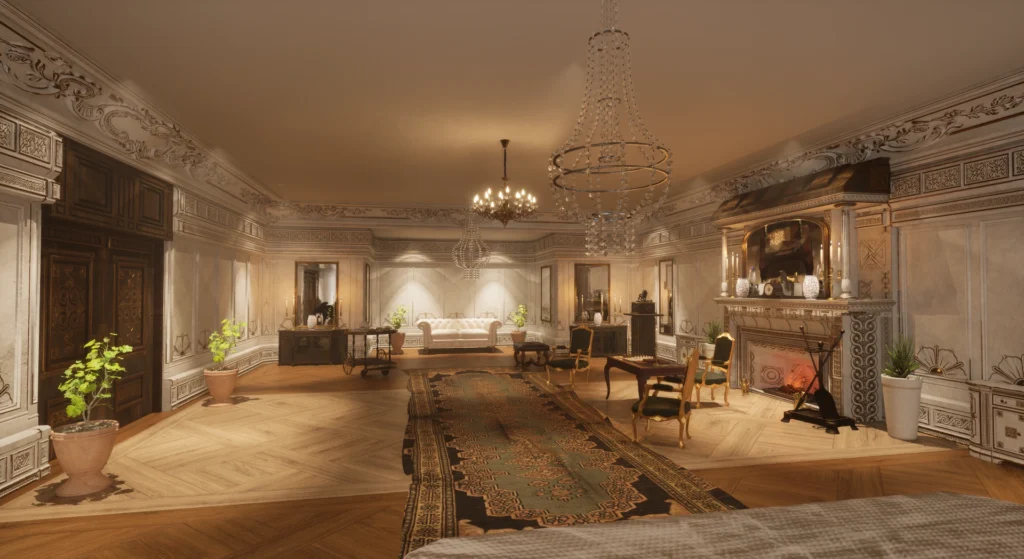
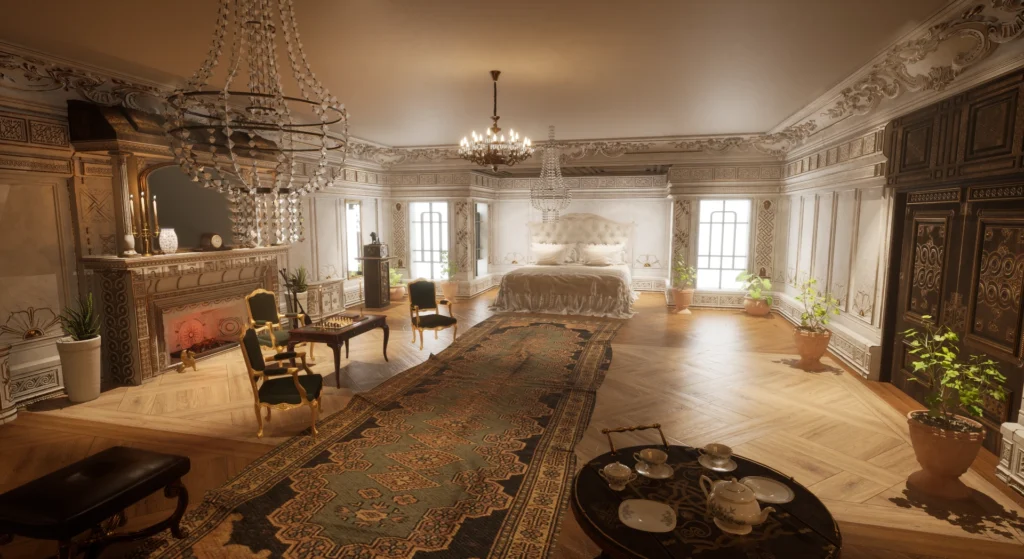
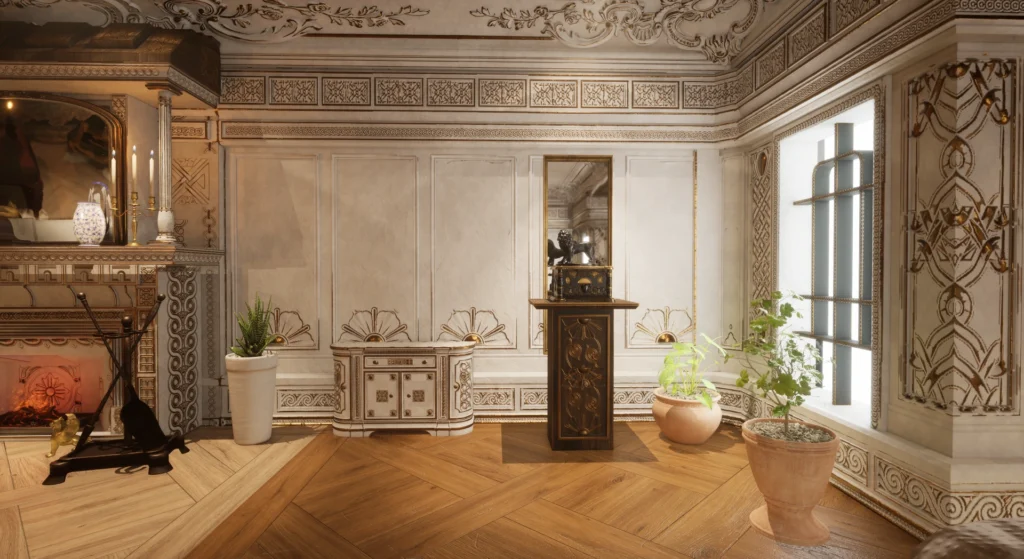
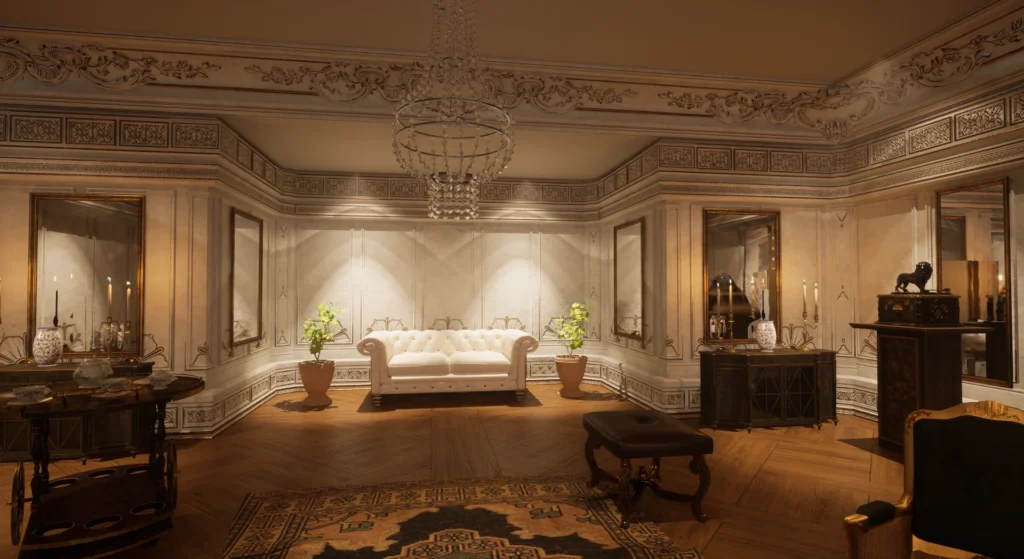
We’ve recently completed a major visual enhancement pass on the Palace room — refining lighting, atmosphere, and architectural details to better reflect its symbolic and emotional weight within the story.

The Palace represents a transition point in the experience — a space where reality feels altered, perception shifts, and the rules of the world begin to change.

These early screenshots capture the evolving mood and tone of this non-physical realm as we continue building the dream world layer of the game.

More soon.

Project Escher — Milestone 3 Progress Update

Cinematics, Vehicle Driving System, Van Dialogue & Half Demo Milestone

As of December 13, 2025, Project Escher continues to move forward at a strong and steady pace. We’re excited to share that Phase 3 of our 6-phase Heavy Prototyping cycle is now complete — marking the third major milestone in development.

With this phase finished, the project has officially reached a key point:
we are now 50% of the way toward completing the demo / vertical slice.

Today’s newly released dev-log video showcases a significant leap forward in both gameplay and narrative, including:

  • New Cinematic Sequences
    Story-driven moments that help establish tone, pacing, and emotional weight.
  • Vehicle Driving System
    Core driving mechanics are now playable, forming a central part of the experience.
  • Van Dialogue System
    Contextual dialogue taking place inside the van, blending story, character, and gameplay.
  • Expanded Story Chapter
    A major portion of the narrative is now playable, bringing the demo closer to a complete, cohesive experience.

This milestone represents a shift from pure prototyping into a half-demo / half-story chapter, where systems, cinematics, and narrative begin to connect as a unified experience.

Story Direction – Second Half of the Chapters

With the first half of the demo now grounded in the physical world, the remaining half of each story chapter will shift the experience into a non-physical space — a world existing outside of conventional spacetime, off the grid.

This upcoming phase of development will focus on the protagonist’s inner journey through this abstract realm, where reality, memory, and perception begin to blur. Gameplay, cinematics, and narrative systems will evolve to reflect this transition, exploring psychological themes through atmosphere, symbolism, and unconventional storytelling rather than traditional physical interactions.

The next development phases will be dedicated to building and defining this world — shaping its rules, visual language, and emotional impact — as Project Escher moves closer to a complete and cohesive vertical slice.

With three phases complete and three remaining, Project Escher is steadily shaping into a polished vertical slice. Our goal remains clear:
to prepare Project Escher for submission to the Sony PlayStation.

Thank you for following the journey and supporting Rare Castle. More updates are coming soon as we push toward the next milestone.

Exit mobile version